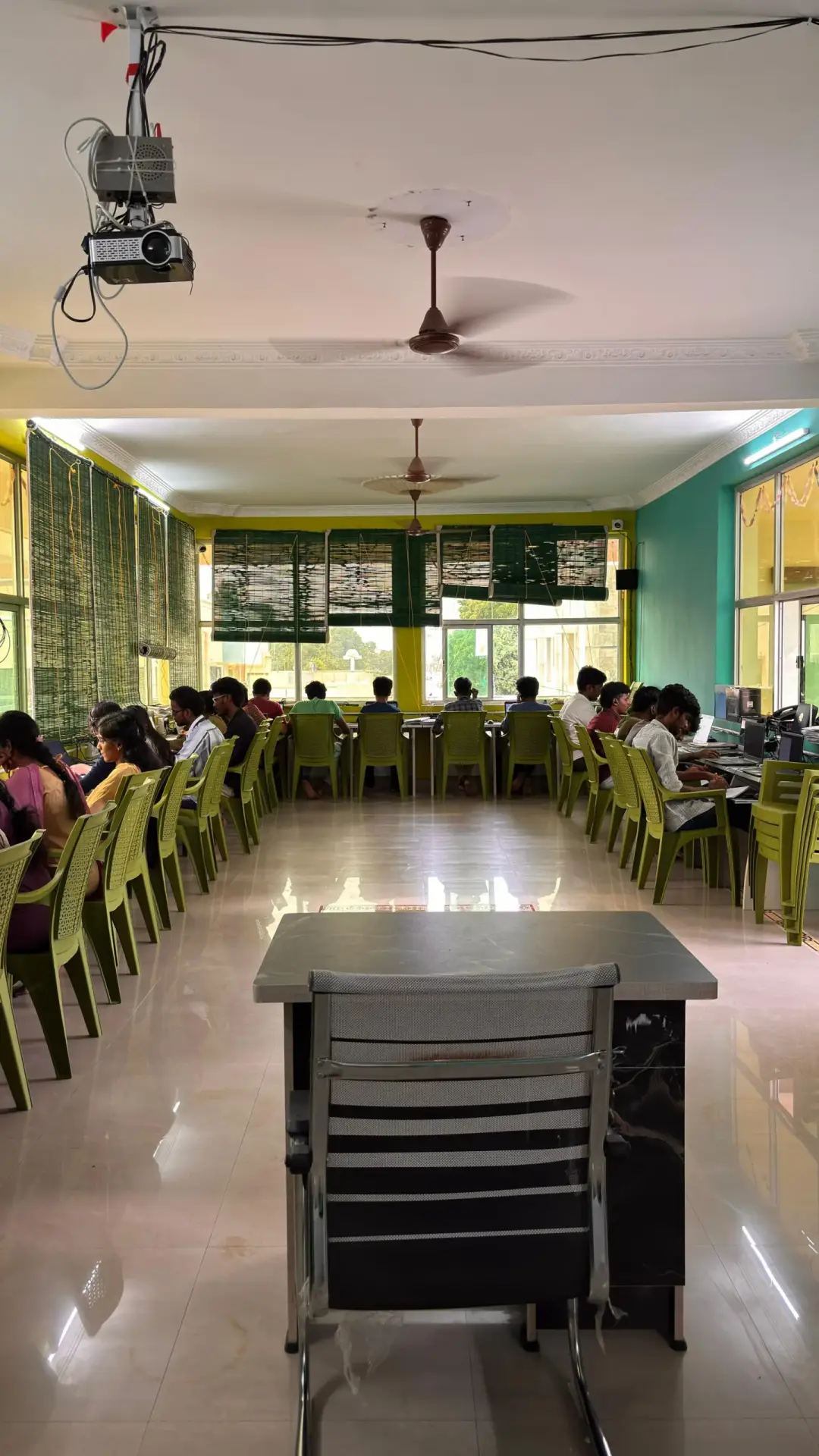
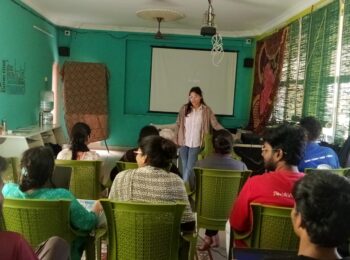
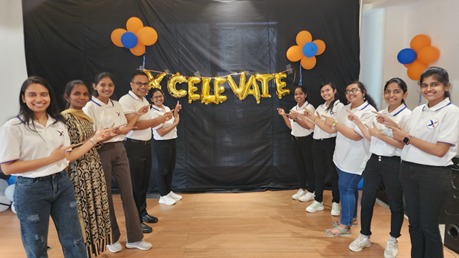
For centuries, the Gurukul method was India’s most effective way of passing on knowledge. Students lived with their teacher, learning not just lessons but discipline, values, and resilience. Education wasn’t just books. It was wholesome because it considered the mind, spirit, body, and soul. At Xcelevate, we have revived this tradition and adapted it for the 21st century. The result is a system of instruction that outperforms purely online learning and produces professionals ready for corporate challenges. When a plant doesn’t flower, you don’t blame the plant. You fix the environment around it. That’s what we are doing using the Gurukul system.
Why Online Learning Falls Short for this initiative
We had the option to roll the program online. It would be cheaper and the reach could have been much more significant. Online platforms promised to democratize education. They put courses within reach of anyone with a smartphone.
However, for many learners, especially those from underprivileged backgrounds, the promise does not translate into outcomes. Completion rates for online courses are notoriously low. Learners are often isolated, with no accountability, and no one to guide them when they struggle.
When we talk about employability, it’s not something to do with knowledge. It’s mostly culture. The graduates of today fail not because they haven’t learned the subject. It’s because they haven’t learned to LEARN! And if you have to learn to learn, the first thing that is necessary is discipline.
Online systems cannot have discipline. If you have children, you can remember how they learned online during the Covid years. Online education cannot teach culture. They cannot instill the confidence to speak in a meeting, or the resilience to face setbacks. For marginalized youth who have never seen a corporate office, these gaps are critical. What they need is not just information, but transformation.
The Gurukul Philosophy Reimagined
Xcelevate decided early that a residential programme was the only way to build this transformation. The Gurukul approach, reimagined for today, sits on four pillars:
Discipline: Structured schedules teach consistency, punctuality, and accountability, qualities often as important as technical skills.
Mentorship: Every apprentice is guided by industry professionals who model workplace behavior and provide feedback in real time.
Peer Learning: Living and learning together builds collaboration and resilience. Apprentices teach one another, share challenges, and grow as a community.
Learning Beyond Curriculum: Soft skills, ethics, leadership, and problem-solving are woven into daily life, not left to chance.
There is a beam that connects these pillars. And that is where technology plays its role, with AI-assisted learning tailoring lessons to individual needs. but it is always layered on top of the human connection, which is what defines a Gurukul.
Discipline as the Foundation
For many first-generation learners, the Gurukul environment is the first time they experience structure. Waking up at the same hour, following a timetable, and submitting work on deadlines: these habits seem simple, but they build reliability. Employers notice. Managers at different organizations have praised the apprentices for their professionalism, humility, and consistency, qualities nurtured as much in the dormitory as in the classroom.
Mentorship and Learning in the Flow of Work
In the Gurukul, learning does not end when class is over. Apprentices practice English in evening debates, solve coding problems in pairs, or seek advice from mentors during mealtimes. This flow mirrors the workplace, where learning happens in the middle of doing.
Data shows the difference. In a pilot with NatWest Group, Xcelevate prepared apprentices without degrees for software engineering roles. Over three years, 81 apprentices were hired. Many were promoted within two years. Average salaries crossed six lakh rupees annually in the very first year, and attrition was only one person. These are results no online program alone could deliver.
The Strength of Peer Learning
In every cohort, apprentices come from diverse struggles, some from villages with no electricity, some from families pushing for early marriage, and some from homes marked by illness or debt. Alone, they might give up. Together, they push each other forward. There are examples of apprentices who nearly dropped out because of family pressure, but her peers kept her going. Today she is a full-time developer and a mentor herself. Such resilience grows in community, not isolation.
Beyond Skills: Building Citizens and Leaders
Technical training is only part of the equation. Remember, it’s about learning to learn. And mindsets. Apprentices learn to debate, to present, to respect deadlines, and to support their peers. They take courses in ethics and growth mindset, guided by mentors from Ramakrishna Mission. They play sports, write essays, and even volunteer in local communities. These are the unspoken lessons of the Gurukul, shaping not just workers but leaders.
Why This Model Deserves Consideration
For organizations, the Gurukul system offers more than a talent pipeline. It delivers professionals who are loyal, adaptable, and deeply committed. In a sector where attrition can drain resources, organizations where our apprentices are placed show the opposite: stability, growth, and return on investment.
For investors, it represents a scalable model with impact baked in. The Gurukul method ensures that every rupee spent on training reaches the truly underprivileged, and that the transformation is visible in outcomes: steady jobs, promotions, higher education, and tax-paying citizens.
Conclusion
The world is full of online platforms. They have their place, but they cannot replace the power of immersion, mentorship, and community. Xcelevate’s modern Gurukul shows that when discipline, peer support, and holistic learning are prioritized, potential flourishes.
We do not just prepare apprentices for jobs. We prepare them for life. And in doing so, we create a future workforce that is not only skilled but resilient, ethical, and ready to lead.
For partners and investors, this is more than education. It is a chance to pioneer a new way of building talent, one that honors tradition, embraces technology, and delivers lasting results.